November 10, 2026
A septic system plays an important role in managing wastewater for properties that are not connected to a public sewer system. Proper installation is necessary for the system to function as expected and support the long-term needs of a household. The process involves several considerations, including property conditions, system placement, soil quality, and local requirements. Understanding these factors can help homeowners prepare for the project and make informed decisions about their property. This article explains what homeowners should know about septic tank installations, from planning and preparation to maintenance and long-term system care.
Understanding System Requirements
A septic system collects and treats wastewater from a property. It typically includes a tank that holds wastewater and an area where the liquid can move into the surrounding soil for further treatment. The system must be designed to handle the amount of wastewater produced by the household. The size and layout of a property can affect the type of system needed. Household size, water use, soil conditions, and available space can all influence the installation process. A system that does not match the property's needs may experience problems with wastewater flow or treatment.
Septic tank installations require careful planning before work begins. Seeking professional help can provide homeowners with a clearer understanding of the system requirements and the conditions that may affect installation. A professional assessment can also help identify concerns that need to be addressed before the project moves forward. Understanding how the system works can help homeowners recognize why proper installation matters. The tank and surrounding components need to function together to manage wastewater effectively. When the system is planned around the property's conditions, it can support regular household use over time.
Evaluating Property Conditions
The condition of the property can influence how a septic system is installed. Soil type, drainage, available space, and the location of nearby structures can all affect the placement and design of the system. These factors need to be considered before installation begins. Soil conditions are particularly important because the surrounding ground helps treat wastewater as it moves through the system. Some soils allow water to move through them more easily than others. If the soil does not provide suitable conditions, the system may need a different design or placement.
The property's slope can also affect wastewater movement. Areas with poor drainage or limited space may create challenges during installation. Understanding these conditions can help determine where the system should be located and how it should be arranged. Seeking professional help with septic tank installations can help identify property concerns before they affect the project. A careful evaluation can provide information about the available space, soil conditions, and other factors that may influence the system's performance.
Preparing for Installation
Preparing a property for septic installation involves several steps. The installation area needs to be evaluated, and the planned location must account for the system's components and surrounding features. Proper preparation can help reduce unexpected complications during the project and support a more organized installation process. Access to the installation area is another consideration. Equipment and materials may need to reach the property, and the work area should provide enough space for the installation process. Nearby structures, trees, and other obstacles may affect how the work is completed, including where equipment can be positioned.
Local requirements can also influence preparation. Septic systems may need to meet specific standards related to placement, construction, and wastewater management. These requirements can vary based on the location and conditions of the property, including soil characteristics and available space. Professional assistance can help homeowners understand the preparation needed before work begins. Discussing the project in advance can provide a clearer picture of the expected process, timing, and any property concerns that may need attention. Early communication can also help identify potential delays and clarify what needs to be addressed before installation starts.
Selecting the Right Location
The placement of a septic system can affect its performance and accessibility. The tank and other system components need to be positioned in areas that meet applicable requirements while allowing the system to function properly. Nearby buildings, water sources, property boundaries, and other features can influence where the system can be installed. The available space may also affect how the system is arranged. Careful planning can help prevent placement concerns that could create problems later.
Accessibility is another important factor. Septic systems require regular maintenance, and the tank needs to remain accessible for future inspections and service. A location that is difficult to reach may make routine maintenance more complicated. Septic tank installations should account for both current household needs and future system care. Seeking professional help with placement can help homeowners understand how the location may affect maintenance, accessibility, and the overall use of the property.
Managing the Installation Process
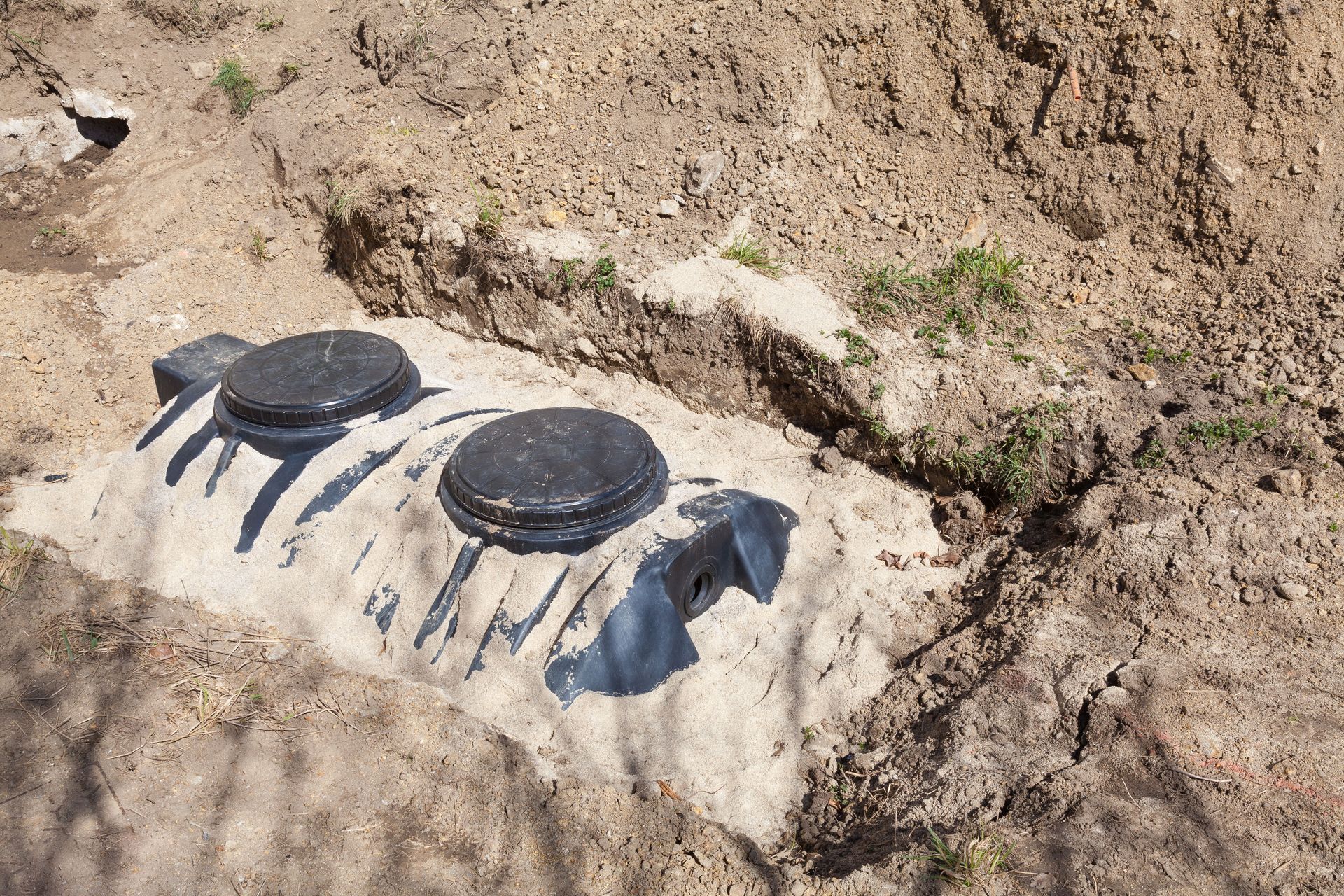
The installation process involves several stages that need to be completed in the proper order. These may include preparing the area, placing the tank, connecting system components, and checking that everything is arranged correctly. The condition of the property can influence how the work progresses. Some locations may require more preparation than others, particularly when access is limited or soil conditions create challenges. Understanding these factors can help homeowners prepare for the project.
Proper installation is important because the system needs to manage wastewater consistently. Poor placement or incorrect connections may contribute to leaks, drainage concerns, or other problems. Addressing installation requirements carefully can help reduce the chance of these issues. Seeking professional help can make it easier to manage septic tank installations. A professional can evaluate the system requirements, account for property conditions, and address concerns that may arise during the process. Clear communication can also help homeowners understand the work being completed and what to expect once the system is ready for use.
Maintaining Long-Term Performance
A septic system requires regular attention after installation. Proper maintenance can help support wastewater treatment and reduce the likelihood of problems developing over time. Understanding the system's needs can help homeowners plan for ongoing care. According to the United States Environmental Protection Agency, a properly installed and maintained septic tank can last over 50 years, although lifespan varies based on its design, installation, materials, service conditions, and maintenance. This highlights the importance of considering both installation quality and long-term care. A system's lifespan can depend on how well it is suited to the property and how consistently it receives attention.
Septic tank installations should account for future maintenance needs. Keeping the tank accessible and understanding how the system operates can make it easier to arrange inspections and other necessary care. Regular attention can also help identify concerns before they become more serious. Homeowners should understand that a septic system is a long-term part of the property. Seeking professional help with maintenance can provide information about the system's condition and help determine when attention may be needed.
A septic system is an important part of a property's wastewater management. Proper planning, placement, and installation can support reliable performance over time. Understanding soil conditions, household needs, and maintenance requirements can help homeowners make informed decisions. Septic tank installations require careful attention to these factors. Seeking professional help can simplify the process and address concerns that may affect system performance. Contact Septic Repair Service to discuss septic tank installations and learn how professional assistance can support your property's wastewater management.