November 9, 2026
A septic system is an essential part of a property's wastewater management, but its importance can make it easy to overlook until something goes wrong. Because most system components are buried underground, homeowners may not notice deterioration or developing problems during everyday use. A system can gradually lose efficiency without displaying obvious warning signs, making it difficult to recognize when replacement should become a priority. Unfortunately, waiting until a complete failure occurs can lead to unexpected expenses, property disruptions, and potentially unsanitary conditions.
Taking a proactive approach allows homeowners to understand their system's condition and prepare for necessary improvements before an emergency develops. Septic replacement services can provide a long-term solution when an existing installation has deteriorated beyond practical repair. By understanding the importance of system age, recognizing potential warning signs, and evaluating property needs, homeowners can make informed decisions about replacement.
Recognizing the Limitations of an Aging Septic System
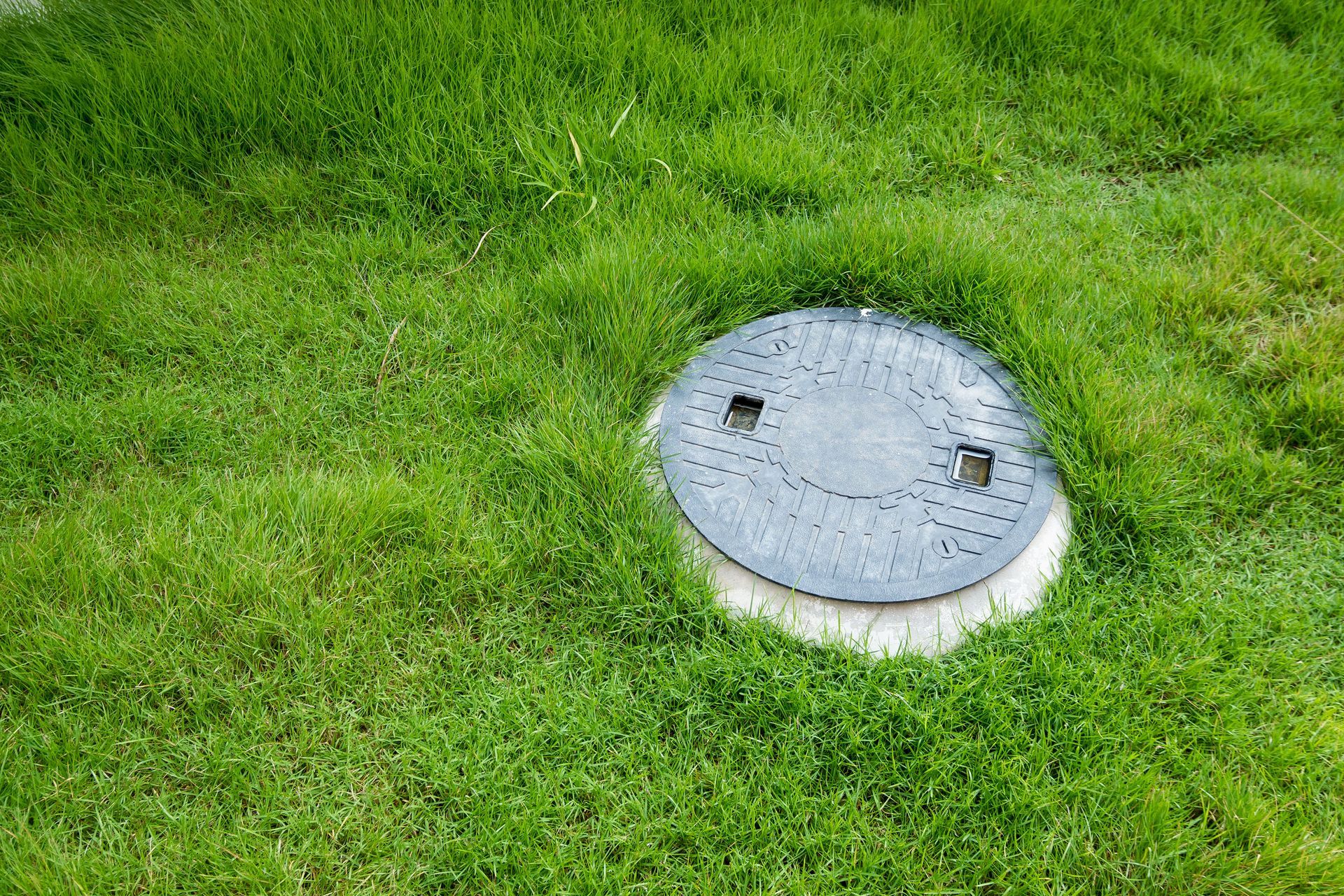
Septic systems are designed to manage household wastewater through a combination of collection, separation, and treatment processes. However, the materials and components involved are not immune to deterioration. Tanks, connecting pipes, distribution boxes, and drain fields can experience wear because of environmental conditions, soil movement, corrosion, improper usage, and regular operation. Although routine maintenance can help preserve system performance, it cannot prevent every form of deterioration or restore components that have reached the end of their useful service life.
An aging installation may continue functioning even when individual components are beginning to fail. For example, a damaged pipe might restrict wastewater movement, while a deteriorating tank could develop leaks that affect surrounding soil. Drain field problems can also reduce the system's ability to distribute and process wastewater effectively. These issues may develop gradually, making professional evaluations particularly important when a system has been in place for an extended period.
Understanding the Risks of Waiting for System Failure
Waiting until a septic system stops functioning can create complications that extend throughout the property. When wastewater cannot move through the system properly, household drains may become sluggish, toilets may struggle to flush, and sewage may back up into interior plumbing. In more serious situations, wastewater can collect above the drain field, creating unpleasant odors and potentially unsanitary outdoor conditions.
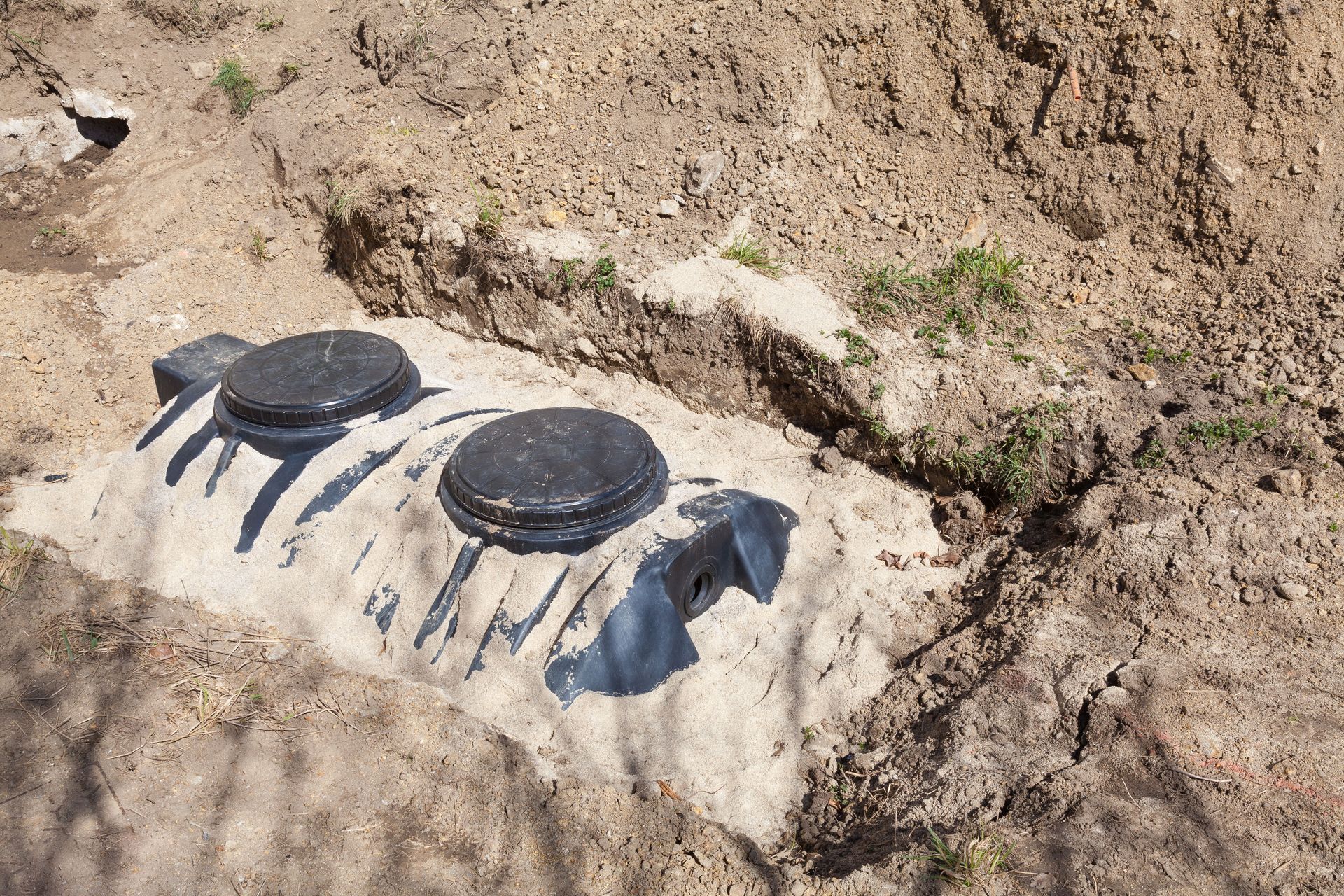
Delaying necessary improvements can also make the eventual project more difficult to coordinate. Homeowners experiencing an emergency may have little opportunity to compare options, review project requirements, or schedule work around other responsibilities. Emergency repairs may provide temporary relief, but they do not necessarily address the underlying deterioration affecting the installation. Arranging septic replacement services before a complete breakdown gives property owners more control over the process. It also allows them to discuss the situation with qualified professionals and establish a reasonable plan without the added pressure of an immediate wastewater emergency.
Evaluating the Expected Lifespan of Existing Equipment
The expected lifespan of a septic system depends on several factors, including installation quality, maintenance history, soil conditions, household usage, and the materials used in its construction. Individual components may also deteriorate at different rates. A tank could remain structurally sound while the drain field experiences drainage problems, or underground piping could become damaged even when other parts appear functional. Consequently, homeowners should avoid assuming that every component will require replacement at the same time.
System age is an important consideration when determining whether an evaluation is appropriate. According to the U.S. Environmental Protection Agency, homeowners whose septic systems are more than 25 to 30 years old should start considering an upgrade because those installations may be approaching the end of their useful lifespan. This guidance highlights why replacement planning should begin before an older system develops serious operational problems. A professional inspection can help homeowners understand the condition of their equipment, identify potential concerns, and determine whether continued repairs remain practical.
Identifying Changes in Household and Property Needs
A septic system must accommodate the wastewater demands of the property it serves. Changes in household occupancy, plumbing fixtures, water consumption, and daily routines can influence how much wastewater enters the installation. An existing system that previously handled household demands may no longer provide appropriate capacity when usage patterns change.
Property improvements can also affect septic system requirements. Home additions, renovated bathrooms, updated plumbing, and landscaping projects may influence available installation space, drainage patterns, and access to underground components. Before making significant improvements, homeowners should understand how the existing septic system will accommodate those changes. Septic replacement services provide an opportunity to evaluate the property's current layout and anticipated needs together.
Preparing for the Septic Replacement Process
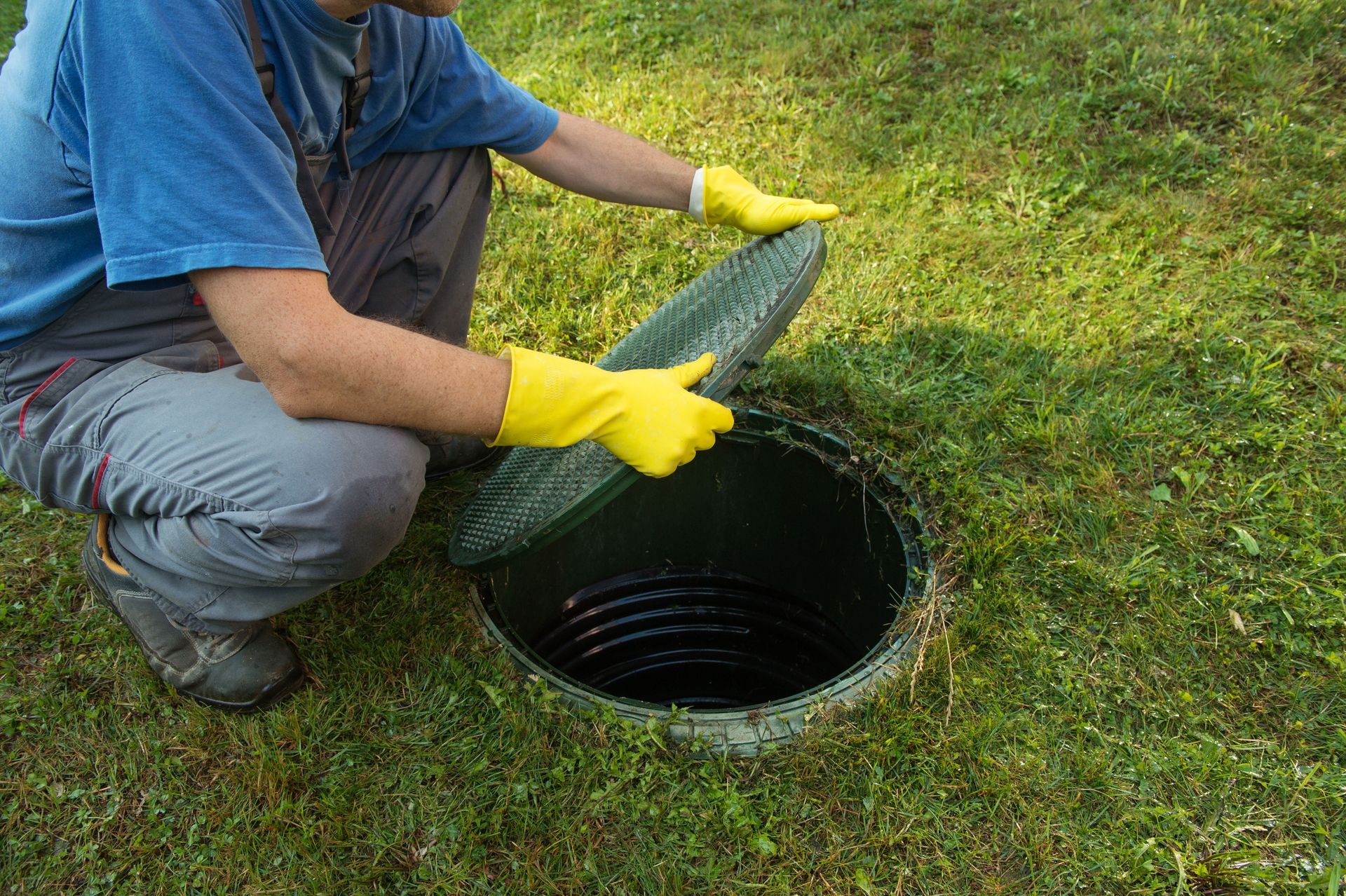
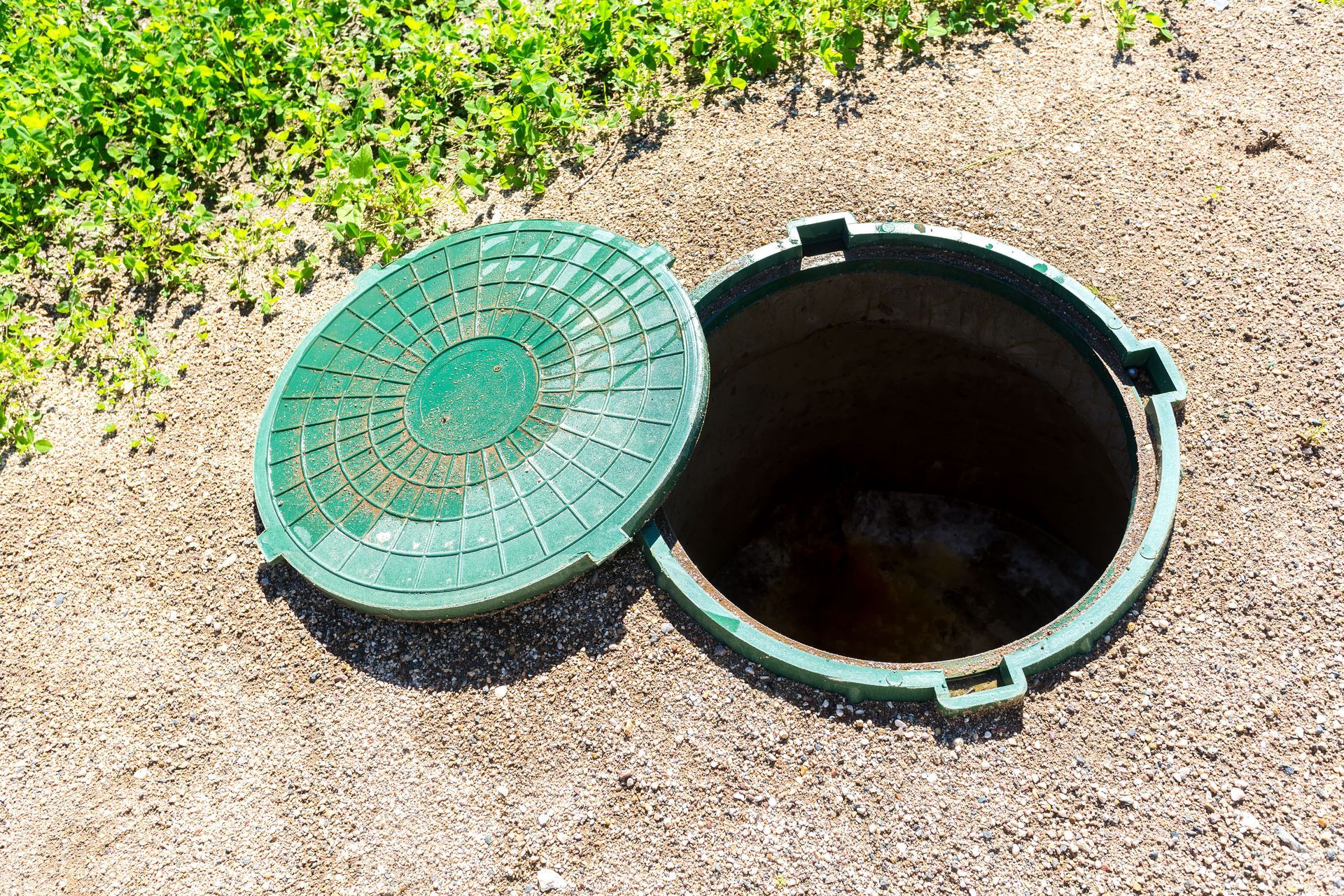
Successful preparation begins with understanding the existing system and identifying the conditions affecting its performance. A professional evaluation can help locate important components, examine visible signs of deterioration, and identify concerns involving the tank, connecting lines, or drain field. Homeowners can also gather useful information from previous maintenance records, repair documentation, and installation paperwork.
After the evaluation, homeowners should discuss the available options and the requirements associated with the proposed installation. Soil characteristics, property dimensions, drainage conditions, household wastewater demands, and applicable local regulations can all influence the appropriate replacement approach. Septic replacement services should account for these factors rather than relying on a generic installation plan. Property owners should also discuss the anticipated project schedule, site preparation, equipment access, and any necessary permits.
Preparing the property can make the installation process more organized. Homeowners may need to coordinate access to the work area, address landscaping considerations, and discuss temporary household adjustments with the contractor. Clear communication is particularly important when excavation or other substantial property work is necessary. Asking questions about the proposed scope and expected restoration work also helps homeowners understand how the project may affect their surroundings. A well-organized plan makes it easier to manage the transition from an aging installation to a replacement system.
Protecting Long-Term Property Performance
Replacing a deteriorating septic system can help protect the property's wastewater management capabilities and reduce the likelihood of recurring problems. When an existing installation is no longer suitable, continued spending on temporary repairs may postpone a necessary improvement without resolving the underlying issue. A properly selected replacement can address existing limitations while providing a solution that reflects the property's current requirements.
Long-term performance also depends on how homeowners care for the replacement system after installation. Responsible water consumption, appropriate waste disposal, routine professional inspections, and recommended pumping practices can help protect important components. Homeowners should avoid flushing materials that are not intended for septic systems, including items that may contribute to blockages or interfere with wastewater treatment.
Protecting the drain field is another important part of responsible system ownership. Heavy vehicles, construction equipment, and substantial structures should not be placed over areas containing sensitive underground components unless specifically approved by a qualified professional. Homeowners should also maintain appropriate drainage around the property so that excessive surface water does not interfere with system operation.
Planning for replacement before system failure gives homeowners an opportunity to make informed decisions instead of reacting to an emergency. Understanding the condition of existing equipment, accounting for changing property needs, and working with qualified professionals can make the process considerably more manageable. A deteriorating septic system should not be ignored simply because it continues operating. Contact Septic Repair Service today to discuss your system's condition, explore your replacement options, and take proactive steps toward dependable wastewater management before an unexpected failure disrupts your property.